My mother's story
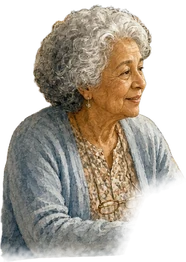
Sometime in the early 2000s, my mother was diagnosed with ovarian cancer. Her doctors followed it with a blood test called CA-125, which measures a cancer antigen the tumor releases into the blood, so its level gave them a sense of how active the cancer was and whether treatment was working. Over about three years she went through surgery and chemotherapy, and it was hard on her; she lost her hair and a great deal of weight. Then, year after year, her CA-125 came back negative, and after about five years she was declared cancer-free. She seemed like herself again, with her weight back and her hair grown in. About eleven years later, though, she began having problems, and her CA-125 was climbing. This time a tumor was found close to her aorta, and because it sat so near that major blood vessel, surgery wasn't an option. She could have tried chemotherapy or radiation again, but she decided against them and chose hospice early.
For a long time, my father was her main caregiver, and he worked so hard to take care of her. I have never seen him as tired as he was during those months. Caring for someone twenty-four hours a day, seven days a week, is absolutely exhausting. Near the end, Dad took her to a hospice home for a couple of days, and although they encouraged her to stay, she wanted to go back to her own home in North Raleigh, so he brought her home and kept caring for her. For the most part, I have nothing but good things to say about hospice. It kept my mother comfortable and supported our whole family. But hospice isn't round-the-clock care, and most of the day-to-day work still fell on my dad.
I feel strongly about end-of-life decisions and about making sure people's wishes are honored. That conviction comes from watching my mother make her own choices with clear eyes, and from seeing how much of her daily care rested on my father's shoulders. Caregivers like him need rest, and they need help filling the gaps that hospice can't cover. That's why this page exists.
Richard Raynor, NP, founder of LifeWishGuardian. 30+ years in healthcare, including about seven years in the ICU. Army veteran.